
Introduction:
Your quality of life may be greatly impacted by spinal disorders like sciatica, herniated discs, or persistent back discomfort. Surgery is not always the first or best course of action, though. Spinal decompression therapy, also known as DTS traction therapy, provides a non-invasive means of obtaining relief in such circumstances. This blog attempts to educate readers about this form of treatment by outlining its fundamental ideas, advantages, and limitations.
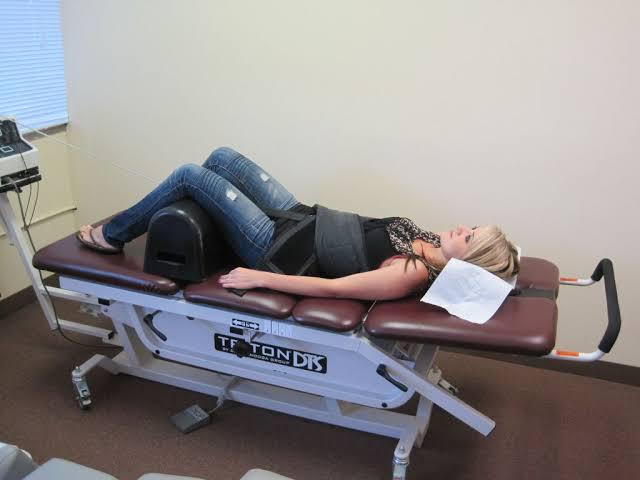
Understanding Spinal Decompression Therapy
Spinal decompression therapy is a non-surgical approach for treating spine problems that cause pain and discomfort. It involves gently stretching the spine to put pressure on the discs that will push herniated or bulging material back into its proper place. Spinal decompression therapy works to reduce pain, increase range of motion, and improve general spinal health by releasing pressure on the nerves.
DTS traction therapy benefits:
Alternative to surgery without surgery: Spinal decompression therapy offers a non-invasive option for patients who want to avoid surgery or have issues that cannot be treated with surgery.
Pain relief: By relieving pressure on spinal nerves, spinal decompression therapy seeks to reduce pain brought on by disorders such facet joint syndrome, sciatica, herniated discs, and degenerative disc degeneration.
Increased functionality: Patients may notice increased functional abilities that make it easier for them to engage in everyday activities when their pain levels decline and their mobility rises.
Long-lasting pain relief: Spinal decompression therapy can address the underlying source of the pain, facilitating healing and possibly offering long-lasting relief.
The Course of Treatment and Expectations:
Typically, spinal decompression therapy is administered over the course of several sessions, with each session lasting between 30 and 45 minutes. Depending on a person’s illness and how well they respond to treatment, a different number of sessions may be necessary. Close observation and assessment by a medical professional during the course of treatment ensures the efficacy and security of the therapy.
Conclusion:
For those with spinal issues, spinal decompression therapy—also referred to as DTS traction therapy—offers a non-surgical treatment alternative. This therapy seeks to reduce pain, increase mobility, and improve general spinal health by gently extending the spine and producing negative pressure inside the discs. While it might not be suited for everyone, speaking with a healthcare professional can help you decide whether this treatment is right for your particular circumstances. For people looking for relief from spinal issues, spinal decompression therapy offers hope due to its potential advantages and non-invasive nature.